
Schließen
관리자
2026-04-25
Most AI image tools are built to generate beautiful pictures.
But visual novels do not need random beautiful pictures.
They need consistent storytelling.
That difference matters.
A visual novel is not a gallery. It is a narrative system.
Characters must remain recognizable across dozens of scenes. Emotions must escalate naturally. Dialogue, expressions, composition, and scene progression must all support the same story.
This is where many AI workflows break.
A prompt can generate a good image once.
It cannot reliably preserve character identity, emotional continuity, or cinematic progression across an entire route.
Writers do not struggle because they lack images.
They struggle because they lose control.
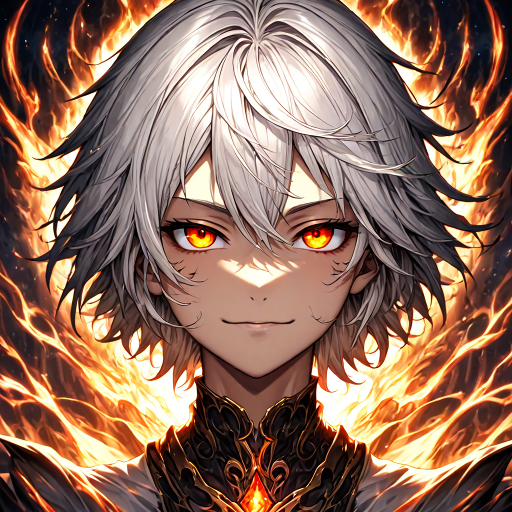
A protagonist should not look like a different person in every chapter.
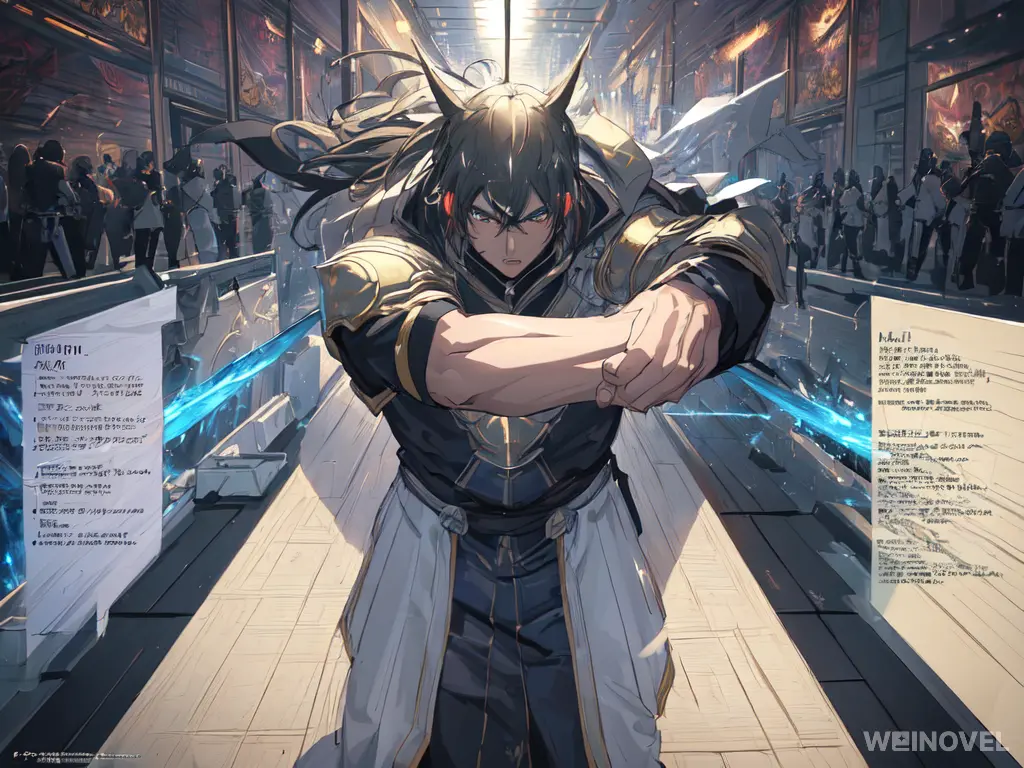
A battle scene should not forget the emotional tension built in the previous scene.
A close-up should feel different from a confrontation shot.
Good visual novel production requires story-aware generation.
It starts with understanding the scene itself.
Who enters first?
Who holds power in the conversation?
When does tension rise?
Which moment deserves a close-up, and which needs distance?
These are not image-generation problems.
They are storytelling problems.
AI becomes useful when it helps structure those decisions—not when it replaces them.
The real goal is not “generate faster.”
It is “maintain narrative control while scaling production.”
Creators need consistency more than novelty.
They need selective regeneration, not full rerolls.
They need character memory, not random variation.
They need systems that protect the story, not systems that fight against it.
AI should support visual novel creators the same way a strong editor does:
by reducing production friction while preserving creative intent.
That is where the future of visual novel creation becomes truly interesting.
Not bigger prompts.
Better control.